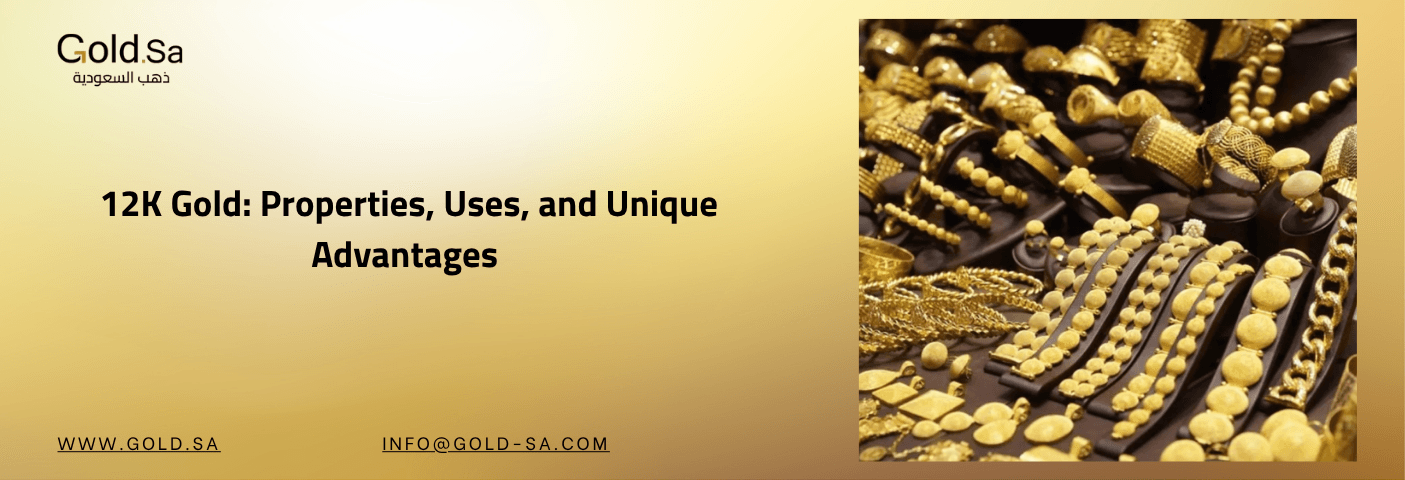
12K Gold: Properties, Uses, and Unique Advantages
12K Gold: A Bold Blend of Golden Shine and Metallic Strength
While 12 karat gold ranks among the lower purity grades in the gold spectrum, it offers a distinctive set of characteristics that make it a practical and budget-friendly choice in specific applications, especially in jewelry and decorative artifacts.
With a softer yellow hue compared to higher karat gold like 18K or 24K, 12K gold is primarily used in pieces that demand durability and structural integrity over brilliance and purity. This makes it ideal for everyday wear items that must withstand frequent use without compromising form.
But what exactly is 12K gold? And why is it used in limited contexts? In this comprehensive guide, we’ll explore the key features, practical uses, and hidden advantages of 12 karat gold that make it stand out despite its lower gold content.
What Does 12K Gold Mean?
12 karat gold means that 50% of the metal’s weight is pure gold, while the other half consists of gold alloys or other metals such as copper, nickel, or silver. In other words, out of 24 parts, 12 parts are raw gold and 12 parts are other metals, reducing its purity and affecting its color and hardness.
This level of purity makes it one of the least commonly used karats in traditional jewelry, but it is utilized in certain industries and specialized applications where durability is essential. It is often marked with a 12K or 500 stamp, where the number 500 indicates the percentage of gold in the total composition of the item.
Color and Properties of 12K Gold
12K gold typically exhibits a pale yellow hue, which may lean toward white or rose tones depending on the proportion and type of alloyed metals. It’s noticeably less lustrous than higher-purity gold karats like gold 18K or 24K. However, in terms of hardness, 12K gold is significantly more durable and scratch-resistant than pure gold (24K), making it a practical choice for items that require long-term resilience.
Key Characteristics of 12K Gold:
1- Purity Ratio: 12K gold contains 50% pure gold blended with 50% other metals such as copper or silver, offering a balanced mix of aesthetic appeal and structural strength.
2- Color: Its color ranges from pale yellow to white or rose, depending on the alloy composition, giving it visual versatility across different styles.
3- Hardness: It has relatively high hardness compared to pure gold, making it more resistant to scratches and deformation during daily use.
4- Density: Its density is lower than that of pure gold, averaging around 12 grams per cubic centimeter due to the presence of lighter alloyed metals.
5- Applications: Commonly used in jewelry that demands high durability, as well as in gold tools and certain devices that benefit from its robust physical properties.
Uses of 12K Gold: Durable and Versatile Elegance
Blending 50% pure gold with 50% alloyed metals, 12K gold is more than just a precious material—it’s a resilient masterpiece that combines beauty with strength. This karat grade is favored in applications that demand a balance between elegance and durability, making it an ideal choice for those seeking gold that can withstand daily wear and tear.
Here are the standout uses of 12 karat gold:
1- Durable Jewelry: 12K gold is commonly used in crafting high-endurance jewelry such as rings, chains, and bracelets designed for everyday wear. The added metals enhance the hardness, protecting pieces from scratches and deformation.
2- Gold Tools and Accessories: It’s employed in the production of ornamental tools and gold-plated items that require greater resistance to corrosion and impact compared to pure gold, making them more practical for frequent use.
3- Industrial Applications: This karat is utilized in certain devices and components that require a balance of electrical and mechanical properties—such as connectors and precision parts that benefit from the combined traits of gold and alloyed metals.
4- Decorative Uses: Beyond its strength, 12K gold is also used in crafting artistic decorative pieces and uniquely designed jewelry where a distinctive color and high durability are essential to preserve form and beauty over time.
Average Price of 12K Gold in Saudi Arabia
The average price of a 12 karat gold ounce in Saudi Arabia from the beginning of 2025 until now has been approximately SAR 5,628, which is about SAR 181 per gram. The highest value was recorded on April 21 at SAR 6,413 per ounce, while the lowest was on January 1, when the 12K ounce was priced at SAR 4,928.
These fluctuations in gold prices in Saudi Arabia are linked to global changes in the ounce price against the US dollar, in addition to the volume of supply and demand in the local market, which is significantly affected during holidays and social occasions.
Today’s price is the key to your smart decision!
Stay up to date with gold prices in Saudi Arabia through real-time updates on the Gold website (gold.sa) to make buying or selling decisions based on accurate data—far from guesswork or random speculation.
Advantages of 12K Gold
One of the key advantages of 12 karat gold is its unique balance between price and quality, as it contains approximately 50% pure gold blended with other metals that give it greater hardness and durability compared to higher-purity grades.
This makes it an ideal choice for those who want attractive jewelry with good value without paying the premium for pure gold (24K), opening the door for a wider range of consumers.
Beyond this core benefit, there are other advantages that may not be widely known:
1- High Durability
12K gold contains mixed metals such as copper and silver, which enhance its hardness and make it more resistant to scratches and deformation. This makes it perfect for daily-use jewelry that needs to withstand continuous wear without losing its shine or original shape.
2- Affordable Cost
Due to its lower pure gold content, 12K gold comes at a significantly lower price than higher-purity grades like 18K or 24K, making it a budget-friendly option for those who want the look of gold jewelry while saving money—whether for personal use or gifting.
3- Color and Design
Variety The added metals in 12K gold allow it to be crafted in multiple colors, from traditional yellow to rose and white, increasing the diversity of jewelry styles and designs to suit different tastes and fashion trends, and offering more customization options.
4- Less Prone to Scratches and Breakage
Due to its hardness, 12K gold experiences less wear over time compared to high-purity gold, helping preserve the piece’s elegance for longerو especially for those who prefer wearing jewelry daily without worrying about quick damage.
5- Ideal for Gifts and Everyday Occasions
12K gold is a practical and elegant choice for gifts that express appreciation and refined taste without requiring a large budget. It’s also suitable for family and social occasions that call for stylish yet affordable jewelry.
Disadvantages of 12K Gold
Although 12 karat gold is considered a relatively affordable and durable option, there are several drawbacks to be aware of before making a purchase or crafting decision. With its pure gold content reduced to just 50%, certain limitations may affect the piece’s aesthetic appeal or long-term value.
In addition, there are key weaknesses worth noting:
1- Low Purity
12K gold contains only half its weight in pure gold, with the rest made up of metals like nickel, copper, and zinc. This significantly lowers its investment value compared to 18K or 24K gold and affects its resale potential, as it’s not considered pure gold by traditional standards.
2- Color Changes
Over Time Due to its high alloy content, 12K gold may change color over time—especially when exposed to environmental factors like air, water, or sweat. It can fade or darken, losing part of its original shine.
3- Potential Skin Sensitivity
Because it includes metals such as nickel or zinc, 12K gold may not be suitable for individuals with sensitive skin. It can cause irritation or allergic reactions, particularly when worn for extended periods.
4- Low Resale Value
When attempting to resell, some may be surprised to find that 12K gold fetches a much lower price than expected. The gold market tends to favor higher-purity grades, and manufacturing costs are typically non-refundable, reducing its long-term economic viability.
5- Not Preferred for Luxury Designs
Due to its lower purity, 12K gold is rarely used in luxury or high-end jewelry. Jewelers often prefer 18K, 21K, or 22K gold for such designs, which limits the availability of upscale pieces crafted from this karat.
How to Verify 12K Gold
Although 12K gold doesn’t offer the high purity of 24 karat gold, recognizing it is equally important, especially for those looking to buy budget-friendly jewelry or distinguish between different karat grades.
12K gold contains approximately 50% pure gold, with the rest made up of additional metals that enhance its strength and durability.
But how can you be sure the piece is truly 12K?
Here are the most common and reliable methods to identify 12K gold and distinguish genuine gold from imitations:
1- Stamp Markings
Look for the hallmark stamped on the piece. 12K gold is usually marked with the number 500 in the millesimal system, indicating that the item contains 500 parts of pure gold out of 1000. You may also find the 12K symbol clearly engraved on the inner side of a ring or the end of a chain.
2- Acid Test
This precise test is used by gold shops. A special chemical is dropped onto part of the item, and the reaction is observed. If acid is applied to 12K gold and no corrosion or fading occurs, and the mark remains stable, it indicates the piece contains approximately 50% pure gold.
3- Magnet Test
Like pure gold, 12K gold generally does not react to magnets. However, due to the presence of alloyed metals, slight magnetic interaction may occur in some cases. Therefore, this test should be used only as a preliminary indicator, not as definitive proof.
4- Ceramic Test
This is a simple home method for checking gold. Rub the item on an unglazed ceramic plate, if it leaves a golden streak, it’s likely real gold. If the mark is black or gray, it’s probably not gold. While not 100% accurate, this test offers a basic idea before professional verification.
Frequently Asked Questions
1- What is the difference between 12K and 24K gold?
12K gold contains only 50% pure gold, with the rest being a mix of other metals like copper or silver, making it harder and much cheaper than 24K gold, which contains 99.9% pure gold. 12K is suitable for daily use and impact resistance, while 24K is shinier and more valuable for investment but softer.
2- Is 12K considered real gold?
Yes, it is real gold but with lower purity. It is classified as a low-karat gold and is often used in everyday ornaments or low-cost jewelry. It’s an economical choice for those who want the look of gold without the high price.
3- Which is better: 12K or 18K?
18K is better in terms of balance between purity and durability, containing 75% pure gold and being a popular choice in jewelry. 12K stands out for its lower price and high durability but has less shine and a higher percentage of impurities.
4- Can 12K gold be used in rings and chains?
Yes, and it can be very practical, especially for daily use. The added metals make it more resistant to scratches and bending, but it’s less attractive than higher karats in terms of color and shine.
5- Why isn’t 12K gold widely used in Saudi Arabia?
Because of the Saudi market prefers 21K, 22K, and 24K gold due to their high value and striking shine. 12K is more commonly used in global markets that focus on practical designs and low-cost jewelry, but it’s less popular locally.
In conclusion, 12K gold is the smart choice for anyone seeking a balance between appearance and price. It gives you the glow and shine of gold at a lighter cost and higher durability, making it ideal for everyday jewelry and practical use. While not the purest, it’s certainly the most economically flexible for those who want an elegant gold piece without straining their budget.
Track gold prices with Workmanship in real time in Saudi Arabia through the Gold website for all karats from 18 to 24.
This educational material was produced in line with Gold.sa's digital publishing standards, to provide an accurate, accessible reference on gold for researchers and readers — without offering any investment guidance or financial advice to buy or sell assets.
Publishing Policy & Content Standards