Most Common Gold Karats in Saudi Arabia: What They Mean and How They Differ?
When it comes to the most common gold karats: 18k, 21k, 22k, and 24k, do you think the only difference is the price? Think again.
The karat you choose doesn’t just affect what you pay today, it determines what you’ll get back when you sell, how durable your jewelry is, how brightly it shines, and how desirable it is in the market. In Saudi Arabia, gold karat preferences vary depending on the purpose, Each karat has its own technical and market characteristics, from gold purity and ease of crafting to resale value.
With gold prices fluctuating daily, understanding these differences is no longer optional, it’s essential.
In this article, we’ll break down the most common gold karats in the Saudi market, and explaining when and why each one is the right choice for you.
What Are the Most Common Gold Karats in Saudi Arabia?
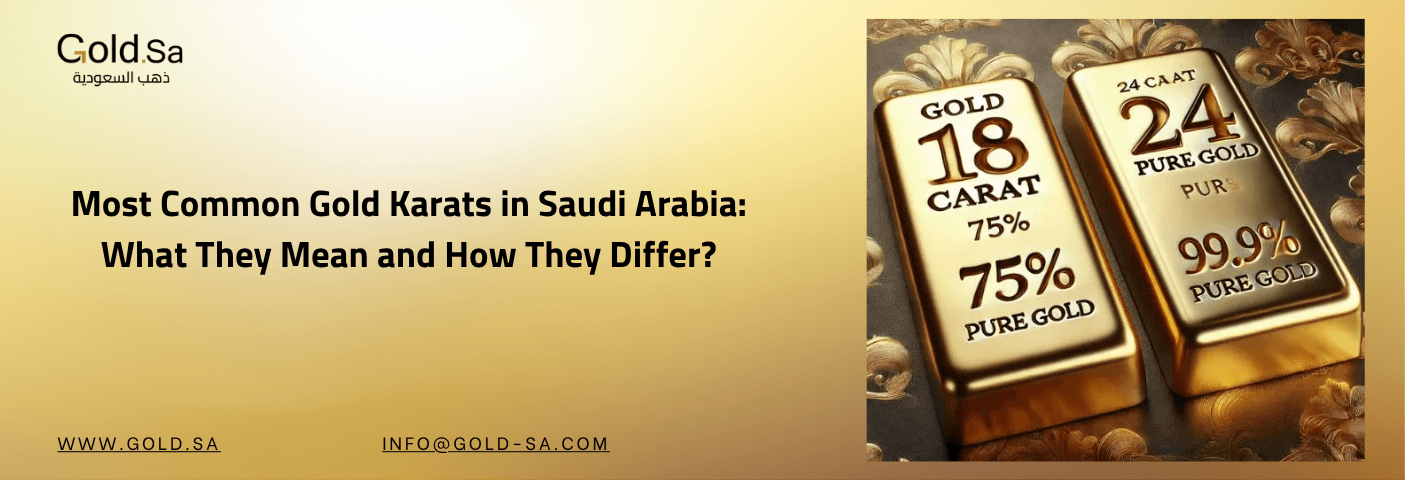
The most common gold karats in Saudi Arabia are 18k, 21k, 22k, and 24k. Each number represents the purity level of the gold alloy. Among them, 24k gold is the purest (99.9%) and is typically used in gold bars and bullion. 22k gold is popular for luxury jewelry and long-term investment. Meanwhile, 21k and 18k gold are widely used in crafting everyday pieces like rings, bracelets, and chains.
These four karats differ in several key aspects, purity, color, density, and durability, which directly affect their usage and market value in Saudi Arabia. For example:
1- 24k gold contains 99.9% pure gold
2- 22k gold has 91.67% purity
3- 21k gold includes 87.5% pure gold
4- 18k gold has a lower purity of 75%
Each karat serves a different purpose, whether you're buying for investment or personal wear. To help you choose wisely, we’ll break down the unique features and ideal uses of:
- 24k Gold
- 22k Gold
- 21k Gold
- 18k Gold
24k Gold: The Purest Form of Gold
24k gold is the purest and most radiant form of gold, with a purity level of 99.9%, making it the highest in value among all gold karats. Its natural color is a rich, warm yellow with a slight reddish hue, reflecting the beauty of gold in its raw, unalloyed state.
However, its high purity makes it soft, prone to scratches, and difficult to shape. That’s why it’s not used in everyday jewelry, but rather preferred for gold bars and coins,making it the best gold karat for long-term investment.
To identify 24k gold, look for hallmark stamps such as “24K” or “999”, usually engraved discreetly on the surface of the piece or bar.
Here’s a quick overview of the key specifications of 24k gold:
| Purity | 99.9% Pure Gold |
| Other Metals Ratio | Approximately 0% added metals |
| Color | Bright yellow with a reddish tint |
| Density | 19.3 g/cm³ |
| Common Uses | Investment, gold bullion |
| Hallmark | 24K or 999 |
22k Gold: The Elegant Balance of Purity and Strength
22k gold comes right after 24k in terms of purity, containing 91.67% pure gold. This high gold content gives it a rich shine and a warm, eye-catching color. The remaining 8.33% consists of other metals like silver and copper, which enhance its strength and durability.
This unique blend of purity and resilience makes 22k gold a preferred choice for luxury jewelry lovers and refined tastes, and a strong reason why its price is higher than lower karats. It’s also widely used for long-term gold investment, offering both aesthetic appeal and lasting value.
To identify 22k gold, look for hallmark stamps such as “22K” or “916”, which help distinguish genuine gold from imitations.
Here’s a summary of the key specifications of 22k gold:
| Purity | 91.67% Pure Gold |
| Other Metals Ratio | 8.33% added metals |
| Color | Dark yellow with high luster |
| Density | 17.5–18 g/cm³ |
| Common Uses | Investment, fine jewelry |
| Hallmark | 22K or 916 |
21k Gold: The Everyday Favorite in Saudi Arabia
21k gold contains 87.5% pure gold, blended with 12.5% of other metals such as silver, copper, and palladium. This combination enhances its strength and resistance to wear, making it more durable than higher karats.
With its warm yellow hue, elegant shine, and solid structure, 21k gold has become the most popular gold karat for daily wear jewelry in Saudi Arabia. It strikes a perfect balance between beauty, durability, and affordability, ideal for rings, bracelets, and necklaces worn every day.
You can identify 21k gold by its hallmark stamp, usually marked as “21K” or “875”.
Here’s a breakdown of the key specifications of 21k gold:
| Purity | 87.5% Pure Gold |
| Other Metals Ratio | 12.5% added metals |
| Color | Rich yellow with noticeable luster |
| Density | 16.8 g/cm³ |
| Common Uses | Everyday wear, gifts |
| Hallmark | 21K or 875 |
18k Gold: Strength, Style, and Everyday Elegance
18k gold contains 75% pure gold mixed with 25% of other metals like silver, copper, and nickel, which makes it harder and more durable than higher karats. It’s mainly used in crafting everyday jewelry that requires fine detailing, such as earrings and rings.
The high percentage of strong metals gives it varying shades, from pale yellow to reddish gold, depending on the proportion of each metal.
The hallmark for 18k gold is either 18K or 750, and it’s the most reliable way to identify the karat clearly and accurately.
Here’s a summary of the key specifications of 18k gold:
| Purity | 75% Pure Gold |
| Other Metals Ratio | 25% added metals |
| Color | Light yellow with lower luster |
| Density | 15.58% g/cm³ |
| Common Uses | Everyday jewelry |
| Hallmark | 18K or 750 |
Key Differences Between 24k, 22k, 21k, and 18k Gold
Gold karats differ primarily in their purity levels. 24k gold is the purest and is known as fine gold, while 21k gold contains 87.5% pure gold. This variation directly affects the brightness and depth of color in each karat.
The difference in usage is mainly due to the durability and hardness of each karat, which depends on the percentage of added metals. For example, 22k gold includes 8.33% of copper or silver, while 18k gold contains up to 25% added metals - nearly a quarter of the composition- making it the preferred choice for crafting daily wear jewelry with intricate designs.
In summary, the differences between gold karats can be outlined as follows:
1- Purity: 24k gold has the highest purity level at 99.9%. The percentage gradually decreases to 91.6% in 22k, 87.5% in 21k, and 75% in 18k. In general, the higher the karat number, the greater the amount of pure gold in the piece.
2- Durability: 18k gold is the most durable among all karats. As purity increases, durability decreases, making 24k gold the softest and least resistant to wear.
3- Color: Higher karats produce a brighter and richer yellow tone. 24k gold shines with a vivid golden hue that reflects raw gold, while lower karats appear lighter due to the increased presence of added metals.
4- Price: 24k gold is the most expensive per gram, followed by 22k, 21k, and finally 18k, which is a budget-friendly option. The price of gold rises in proportion to its purity.
5- Usage & Suitability: If you're looking for long-term investment, 24k or 22k gold is ideal. For daily wear jewelry, 18k and 21k are the most popular choices, offering a balance of beauty, strength, and cost.
In the following table, you'll find a clear comparison of the differences between gold karats:
Karat | Purity | Durability | Color | Price | Common Use |
24K | 99.9% | Weak (very soft) | Pure golden yellow | Highest | Gold bullion and gold coins |
22K | 91.6% | Good (common in jewelry) | Warm yellow | High | Modern and elegant jewelry |
21K | 87.5% | Medium (balance of purity & strength) | Moderate yellow | Medium | Premium everyday jewelry |
18K | 75.0% | Excellent (more durable & affordable) | Light yellow | Lowest | Everyday jewelry, watches |
How to Identify Gold Karat at a Glance
The easiest and most accurate way to identify a gold karat is by checking the hallmark stamp engraved on the piece. This small mark is usually found on the inner side of a ring or the clasp of a necklace, and it indicates the gold’s purity level.
Here are the most common hallmark codes for each karat:
24k → stamped as 999 or 24K
22k → stamped as 916 or 22K
21k → stamped as 875 or 21K
18k → stamped as 750 or 18K
If the stamp is missing or you want to confirm the karat more precisely, there are other methods you can use to test the gold:
1- Acid Test: A drop of testing solution is applied to the surface to observe the reaction and determine the karat.
2- Electronic Gold Tester: Commonly used in jewelry stores, this device provides a quick and accurate reading.
3- Magnet Test: Pure gold is non-magnetic, so this test helps detect the presence of other metals.
How Does Gold Karat Affect Its Price?
The price of gold is directly influenced by its karat rating. The higher the percentage of pure gold in a piece, the more expensive it becomes per gram. For example, the gold price for 24k is the highest, because it contains 99.9% pure gold. It’s followed by 22k, then 21k, and finally 18k, which has the lowest price due to its reduced purity.
To calculate the approximate price of a gold item, you can use the following formula:
Current gold price per gram × (24 ÷ karat) + making charges
⧫ To follow daily gold price - both new and used gold- in Saudi Arabia, visit gold.sa for real-time updates. Monitor price fluctuations throughout the day, stay informed, and seize buying opportunities when prices drop to maximize your investment returns!
Ultimately, choosing the right gold karat depends on your goal:
- For long-term investment, 24k gold remains the ideal choice thanks to its high purity and strong market value.
- For daily wear jewelry, 18k and 21k gold offer the perfect balance of durability, cost, and lasting shine.
- For special occasions or premium gifts, 22k gold delivers a luxurious look and warm tone without the full cost of 24k.
By checking the hallmark stamp as a quick first step, and tracking daily prices from trusted gold price platforms, you’ll always be confident in making the smartest gold choice.
Frequently Asked Questions (FAQ)
1- What is the best time to buy gold in Saudi Arabia?
The best time to buy gold in Saudi Arabia is when demand is low and prices drop, typically after festive seasons like Eid al-Fitr, Eid al-Adha, and Ramadan. Prices also tend to decline during periods of dollar stability, as investors shift toward holding USD, reducing demand for gold.
2- How can I verify the credibility of a gold seller?
You can verify a gold seller’s credibility by checking for official certifications, reading customer reviews, or requesting a karat test using acid or an electronic gold tester if needed.
3- Does jewelry design affect durability more than karat?
Yes, Delicate or intricate pieces are more prone to scratches—even if made from 21k gold. In such cases, a lower karat like 18k is recommended for its higher strength and durability.
4- What is the price of a 100g gold bar in Saudi Arabia?
As of Wednesday, November 5, 2025, the price of a 100g gold bar in Saudi Arabia is 47777.40 SAR, equivalent to approximately 1273745.48 USD, according to the official gold price bulletin from gold.sa.
5- How much does a gold ounce weigh?
A gold ounce weighs 31.1034768 grams. It is the standard unit of measurement for precious metals like gold.mon gold carats in Saudi Arabia and the differences between them
This educational material was produced in line with Gold.sa's digital publishing standards, to provide an accurate, accessible reference on gold for researchers and readers — without offering any investment guidance or financial advice to buy or sell assets.
Publishing Policy & Content Standards